
Planning a trip to Ireland in spring is often a sensible move for travellers who want to see the country without the peak-season crowds. As the calendar turns toward Ireland in March, the winter frost clears and the landscape noticeably changes. The days get longer, the countryside turns a deep green, and the local pace remains relaxed before the busy summer months begin.
If you are looking for a balance between manageable weather and quieter attractions, this guide will cover everything you need to know about visiting Ireland in spring, including manageable weather patterns and the best quiet attractions. We explore how to navigate the monthly climate, the highlights of the cultural calendar, and practical tips for enjoying a comfortable, well-paced journey through the real Ireland while the crowds are thin and the landscape is at its most vibrant.
Table of Contents
- What is spring like in Ireland? A Brief Overview
- Ireland Weather by Month
- Is Spring the Best Time to Visit Ireland?
- Things to do in Ireland in Spring
- What to Wear in Ireland in Spring: A Packing Guide
- Ready to see the real Ireland this spring?
- FAQs
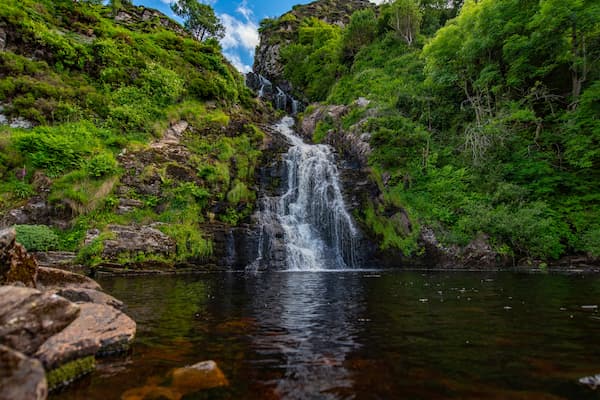
What is Spring like in Ireland? A Brief Overview
Spring in Ireland is a transitional season where you can expect more daylight and a refreshing change in the landscape. It is a period defined by more manageable temperatures and the return of outdoor activities.
When is spring in Ireland?
Technically, spring starts in late March, but in the traditional Irish calendar, the first day of spring in Ireland is February 1st (St Brigid’s Day). From a travel perspective, the genuine Ireland in spring experience usually begins to take hold by the middle of March.
- Daylight: The amount of daylight increases significantly during this time. You will have roughly 11 hours of light in March, which grows to nearly 15 hours by late May, giving you plenty of time for evening strolls or later dinners.
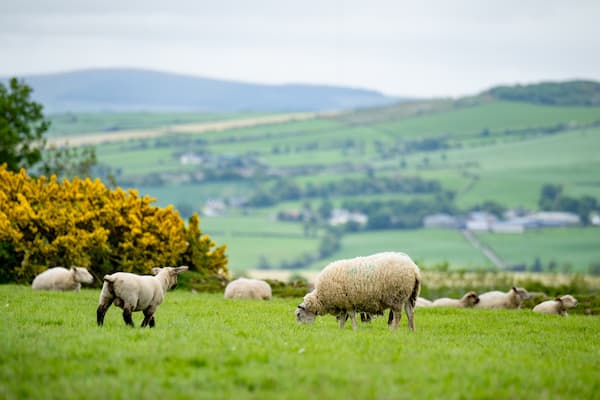
- Nature: The countryside is at its most vibrant. You will see plenty of newborn lambs in the fields, gorse bushes blooming yellow on the hillsides, and the start of coastal bird activity as the weather softens.
- Atmosphere: The mood is welcoming and low-pressure. Most sites, from the Cliffs of Moher to the Rock of Cashel, are open but far less crowded than in July or August.
Ireland Weather by Month
Understanding Ireland’s weather by month helps in planning the right activities for your trip. While the weather is famously changeable, the spring months generally see a decrease in heavy rain compared to the winter.
|
Month |
Avg High/Low (°C) | Weather Type | Best For |
|
March |
10° / 4° |
Crisp, breezy, mix of sun and showers |
Festivals and quiet sightseeing |
|
April |
13° / 5° |
Mild with bright spells (“April showers”) |
Coastal walks and garden visits |
| May |
16° / 8° |
Often the sunniest month; settled |
Outdoor adventures and long days |
The weather in March can still feel quite wintry, especially on the coast, while the weather in Ireland in May often provides some of the clearest, most settled conditions of the entire year.
Is Spring the Best Time to Visit Ireland?
Many regular visitors argue that spring is actually the best time to visit Ireland. There is a sense of renewal that you simply don’t get in the autumn or winter, and the logistical benefits make for a much smoother experience.
Cultural Highlights and Festivals
Is March a good time to visit Ireland? It certainly is if you want to experience the country’s most famous celebration: St Patrick’s Day. While major cities host large events, the true charm of spring lies in the local traditions found in smaller communities.
St Patrick’s Festival (March)
Spending St Patrick’s Day in Ireland is a bucket-list experience. For an authentic atmosphere, consider smaller towns like Westport or Dingle rather than just the large-scale parades in Dublin.
- What to Expect: St Patrick’s Day is a celebration of Irish heritage that brings the whole country together. You will find a sea of green, but the day is more about community spirit and storytelling than just the parades. It is a day where the ceol agus craic (music and fun) reaches every corner of the island, with locals sharing stories and celebrating their roots.
- Getting Involved: You can easily join the festivities by wearing a simple pinch of green or pinning a shamrock on your lapel. To get the most out of the day, skip the green beer in favour of a local stout or a hot whiskey, and head to a local pub in the mid-afternoon for a traditional music session. It is the perfect chance to soak in the atmosphere and hear real stories alongside the locals.
Pro Tip: Bring cash for quicker service in crowded pubs and book your accommodation at least six months in advance.
Cúirt International Festival of Literature (Galway, April)
As one of Europe’s oldest book festivals, Cúirt is a celebration of the written and spoken word, perfectly reflecting Ireland’s rich literary heritage.
- What to Expect: Galway City becomes a hub of creative energy. You will find readings, workshops, and discussions happening in theatres, cafes, and historic halls. It feels less like a corporate event and more like an intellectual gathering of friends.
- How to Get Involved: Attend a poetry slam or a book reading in one of the city’s intimate venues. It’s a great way to meet local authors and fellow book lovers. Many travellers choose to base themselves here by joining Ireland tours from Galway to see the festival before exploring the Connemara coast.
Pro Tip: Check the schedule early and book tickets for the flagship events, as venues in Galway can be small and fill up quickly.
Bealtaine Festival (May)
Bealtaine celebrates the end of spring and the start of summer and creativity as we age, with events taking place in community centres, libraries, and galleries across the country.
- What to Expect: A diverse programme of art, music, theatre, and dance. The festival is unique because it focuses on participation and community, often highlighting the link between Irish folklore and the changing seasons.
- How to Get Involved: Look out for local art exhibitions or community choir performances in the towns you visit. Many events are free and offer a great window into how local Irish communities support their own artists and traditions.
Pro Tip: May is a great time to visit local heritage sites, as many host Bealtaine-themed guided walks that focus on the history and mythology of the local landscape.
Wellness and Restoration
The transition into spring is as much about mental renewal as it is about the changing landscape. For many, a journey through Ireland in spring acts as a natural reset for the mind and body.
- The Power of the Fresh Air: The invigorating sea breezes along the Wild Atlantic Way and the crisp morning air in the rural heartlands offer a sense of clarity that is hard to find in a busy city.
- Restorative Pace: Unlike the high-energy rush of the summer season, spring encourages a slower, more deliberate way of travelling. It is a time for quiet reflection at a remote heritage site or a peaceful walk through a bluebell forest.
- Rejuvenation: The combination of nearly 15 hours of daylight by late May and the vibrant, growing greenery provides a powerful boost to your mood. Many travellers find that the “invigorating” nature of the Irish spring landscape leaves them feeling completely restored before they head home.
Nature and Wildlife
Beyond the festivals, visiting Ireland in April or May means you are arriving just as the wildlife returns. On the west coast, the puffins begin to arrive back at the cliffs in late March and April, which is a major highlight for nature lovers.
- The Return of the Puffins: Watch these iconic birds return to the Cliffs of Moher or Skellig Michael to nest; they are far more active and visible in the early spring months.
- The Forty Shades of Green: Experience the landscape at its most famous; the new grass and spring flowers like bluebells and wild garlic create a vibrant backdrop that is perfect for scenic photography.
- Newborn Lambs: You will see the fields filled with lambs throughout the countryside, particularly in rural areas like Connemara and Kerry.
Quiet Landmarks and Sustainable Travel
Because the large tour buses haven’t reached their peak frequency yet, you can enjoy natural spectacles and historic sites at a much slower, more relaxed pace.
- Supporting Local Communities: By visiting during the spring months, you avoid the heavy congestion of July and August. This helps reduce the strain on local infrastructure and ensures your travel spend supports the local economy more evenly throughout the year.
- Authentic Interactions: Hospitality feels more personal when the towns are less crowded; you’re more likely to have a long chat with a shopkeeper or a local guide when there isn’t a queue behind you.
- Ease of Access: Whether you are taking tours from Dublin or exploring the north via tours from Belfast, you’ll find it easier to find a table at the best local restaurants and snag the best vantage points at scenic overlooks.
Things to do in Ireland in Spring
When exploring the many things to do in Ireland, the spring season provides a unique opportunity for local experiences that feel more personal than in the height of summer or the depths of winter.
Coastal and Cliff Walks
With the weather in ireland in april being generally mild, it is the perfect time for a stroll along the Atlantic coast. The air is fresh, and the lack of summer haze means visibility at the cliffs is often at its best.
- Howth Cliff Path: Just a short trip from Dublin, this loop offers stunning views of Lambay Island and Ireland’s Eye.
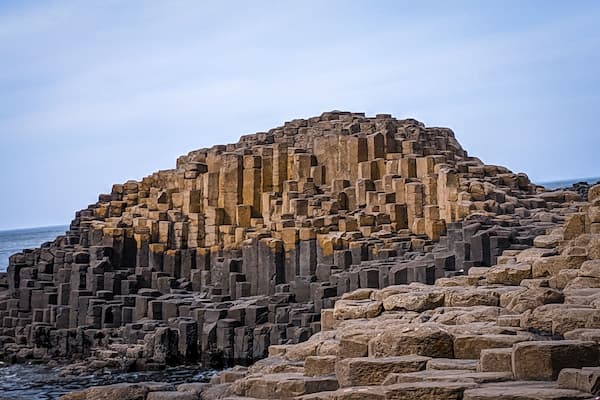
- The Giant’s Causeway Coastal Route: Explore the Gobbins Path or the clifftop walk from Dunseverick Castle to the Giant’s Causeway.
- Diamond Hill: Located in Connemara National Park, the views from the top in April are spectacular as the gorse begins to bloom.
Visit the Great Gardens
Ireland’s historic estates come alive in Ireland in spring. You can see vast floral displays without the large crowds that arrive in mid-summer.
- Powerscourt Estate: Known for its Italian Gardens, the rhododendrons here are a highlight in late spring.
- Muckross House & Gardens: Situated in Killarney National Park, the gardens are famous for their extensive collection of azaleas.
- Mount Usher Gardens: Located in Wicklow, these Robinsonian gardens are perfect for seeing spring bluebells along the river Vartry.
Experience Traditional Sessions
In March, the pubs are lively but still maintain their local character. It is a good time to settle into a traditional pub snug with a bowl of fresh seafood chowder and enjoy a local music session.
- Spotting a Real Session: Look for a pub that doesn’t have a stage or a massive sound system. A genuine traditional session usually happens in a quiet corner or around a fireplace. If you see a few instrument cases tucked under a table, you’ve likely found the right spot.
- What to Expect: Music sessions are often informal. Musicians arrive at different times, and the tunes flow naturally from one to the next. It is less of a concert and more of a shared conversation between the players.
- The Snug: If you can find a pub with a “snug”, which is a small, private wooden booth, grab it. It’s the perfect vantage point to hear the music while enjoying a quiet conversation.
- Insider Tip: Avoid the busiest tourist bars if you want a seat. Head to a side-street local instead. If a song starts, it is considered polite to lower your voice or stop talking to let the singer be heard.
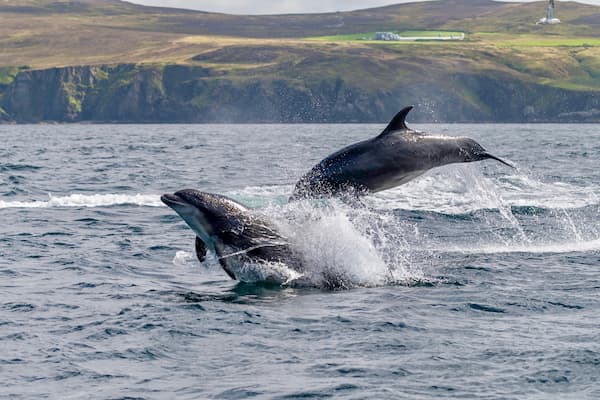
Whale and Dolphin Watching
Late spring marks the beginning of the peak season for spotting marine life off the south and west coasts as they follow the warmer currents.
- West Cork: Take a boat from Baltimore or Carrigaholt to spot minke whales and common dolphins.
- Dingle Bay: While the famous Fungie has moved on, the bay remains a hotspot for dolphin sightings and grey seals.
- Loop Head: This headland in County Clare is one of the best land-based vantage points for spotting whales as they migrate north.
What to Wear in Ireland in Spring: A Packing Guide
The secret to a comfortable trip is understanding what to pack for Ireland, as the weather can vary wildly within a single hour. You should dress for three seasons in one day.
- Layers are Essential: Start with a light base layer, add a warm wool jumper or fleece, and always have a high-quality waterproof jacket as your outer shell.
- Footwear: Bring sturdy, waterproof walking shoes or boots. Even if you aren’t hiking, the grass and cobblestones can be damp.
- Accessories: A lightweight scarf and a warm hat are useful for coastal breezes, but don’t forget sunglasses: the spring sun can be surprisingly bright when it breaks through the clouds.
- The Just in Case Item: A small, windproof umbrella is handy, but a hooded raincoat is usually more practical for the famous horizontal rain.
Ready to see the real Ireland this spring?
Choosing the spring months allows you to experience the island at its most authentic and peaceful. You get the benefits of longer days, vibrant nature, and a warm local welcome, all while avoiding the mid-summer rush. Whether you’re interested in the literary history of Galway or the coastal beauty of the Wild Atlantic Way, spring offers a perspective on Ireland that few others get to see.
If you want a journey that is well-paced, comfortable, and focused on real stories, why not join one of our small group tours? We take care of the details so you can simply enjoy the view.
FAQs
Can I see the Northern Lights in Ireland in spring?
While more common in winter, the clear skies of March and April do occasionally offer chances to see the Aurora Borealis, particularly in the northern parts of Donegal or along the Causeway Coast.
Are all the tourist attractions in Ireland open in March?
Yes, the vast majority of attractions that close for the winter reopen by St Patrick’s Day at the latest. Many sites now remain open year-round, but spring marks the return of full seasonal staff and extended opening hours.
Is it expensive to visit Ireland during St Patrick’s Week?
Prices for accommodation can rise in major cities like Dublin during the festival week. However, by staying in smaller towns or travelling in late April or May, you will find excellent value and more availability.
Do I need a car to visit Ireland in spring?
While you can use public transport between major cities, many of the best spring highlights are off the beaten track. A small group tour is often the best compromise, providing transport to remote coastal spots without the stress of driving on narrow rural roads.
Got more questions about visiting Ireland? Check out our main FAQs page for answers, tips, and advice about visiting Ireland.