
Ireland is a place where history and local culture are part of everyday life. You’ll find that the best experiences often happen when you move at a slower pace, whether that’s chatting with a farmer over a stone wall or taking a quiet walk through a valley.
Finding the best things to do here is about getting away from the busiest crowds and connecting with the land and the people. This guide covers 10 authentic experiences that show you the real side of the Emerald Isle.
Table of Contents
- The Best Things to Do in Ireland: A Brief Overview
- What are the 10 Best Things to do in Ireland?
- Ready to find your own path through the emerald hills?
- Frequently Asked Questions
The Best Things to Do in Ireland: A Brief Overview
| Activity/Location | Brief Description | Best For |
| Inis Mór Forts | Ancient stone forts built on the edge of high Atlantic cliffs. | Walkers & history lovers. |
| Slea Head | A scenic coastal loop featuring early Christian ruins and ocean views. | Photographers & slow travellers. |
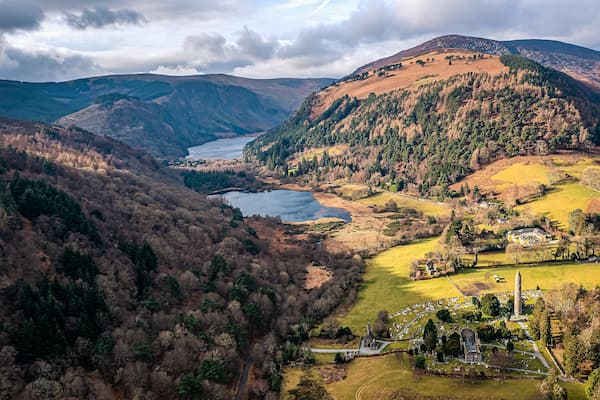
| Glendalough | A 6th-century monastic site located in a deep glacial valley. | Soul-seekers & gentle hikes in Ireland |
| Connemara | Rugged hills and lakes in a region where Irish is still spoken. | Scenic photographers & nature. |
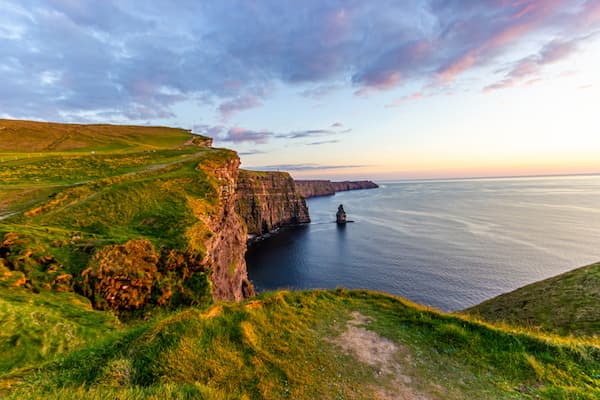
| Cliffs of Moher | Towering cliffs with views that stretch to the Aran Islands. | First-time visitors. |
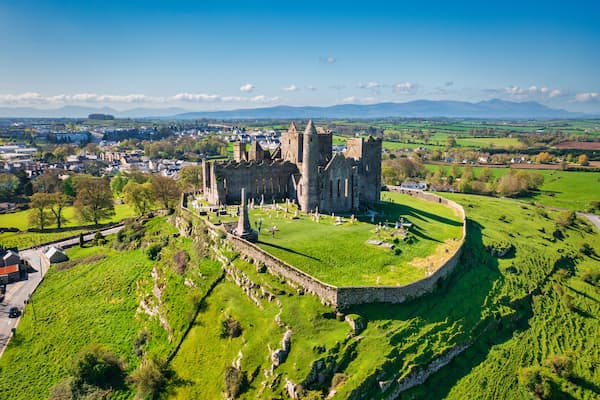
| Rock of Cashel | A historic fortress made of medieval cathedrals and towers. | Architecture enthusiasts. |
| Bantry House | A historic estate with gardens overlooking Bantry Bay. | Gardeners & history buffs. |
| Giant’s Causeway | A geological site with 40,000 hexagonal basalt stones. | Folklore & geology fans. |
| Kilkenny City | A medieval hub known for its castle and local craft studios. | Small-town explorers. |
| English Market | An 18th-century food hall with a wide variety of local produce. | Foodies & local shoppers. |
What are the 10 Best Things to do in Ireland?
The best things to do in Ireland are those that allow you to settle into the local rhythm. We’ve selected these spots because they offer a genuine connection to the country’s history and community, moving beyond the typical tourist checklists and into a complete Irish experience tour.
1. Inis Mór (Inishmore), Galway
Inis Mór is a step back in time. It is the largest of the three Aran Islands and is famous for its prehistoric stone forts. The most well-known is Dún Aonghasa, a fortress built on a 90-metre vertical drop into the Atlantic Ocean.
Inis Mór Local Details
- The Experience: This Gaelic-speaking island features a rare limestone karst landscape. You can find alpine and Mediterranean plants growing together in the rock crevices.
- Local Insight: Hiring a pony and trap is the traditional way to see the island. It matches the natural pace of the place, and the drivers are usually locals with plenty of family history to share.
- Best Time to Visit: May and June are ideal. The weather is generally more stable, and the wildflowers are in full bloom across the limestone landscape.
- Best For: Travellers who want to disconnect and see the rugged scale of the west coast.
2. Slea Head Drive, Dingle Peninsula
This coastal road hugs the edge of the Dingle Peninsula. It is packed with early Christian history and archaeology, including the “beehive” huts which have stood against the Atlantic winds for over a thousand years.
Slea Head Drive Local Details
- The Experience: Explore the Fahan Beehive Huts in this Irish-speaking region. The route offers views of the Blasket Islands, a former hub of Gaelic literary tradition.
- Local Insight: This drive is best done slowly. We recommend stopping at the pull-ins overlooking the Blasket Islands to learn about the community that lived there until the 1950s. You’ll likely see local farmers working the small, green fields along the route.
- Best Time to Visit: Late spring (April and May) or early autumn (September and October). You get good daylight and avoid the heavy traffic of July and August.
- Best For: Combining coastal scenery with a genuine sense of Irish history.
3. Glendalough, Wicklow
Glendalough, the Valley of the Two Lakes, is a 6th-century monastic city. Located in a valley in the Wicklow Mountains, the site features a perfectly preserved Round Tower and several ancient stone churches.
Glendalough Local Details
- The Experience: A world-renowned ecclesiastical site. Walk the “Green Road” through native oak woodlands, a path used by pilgrims for centuries.
- Local Insight: The site has a very calm atmosphere. To find the best views, follow the woodland paths away from the main ruins toward the upper lake. It’s a great spot for a gentle walk.
- Best Time to Visit: Visit Ireland in late autumn (October and November) when the mist in the valley and the changing leaf colours make it a very atmospheric time to explore.
- Best For: Peace, quiet, and early Christian heritage.
4. Connemara, Galway
Connemara is known for its wild landscape of mountain ranges, peat bogs, and dark lakes. It is one of the best places to experience the Irish wilderness and the changing Atlantic light.
Connemara Local Details
- The Experience: This region showcases the traditional practice of turf cutting. You can see how peat is still harvested by hand to fuel local household hearths.
- Local Insight: The landscape has been shaped by small-scale farming. You will still see stacks of turf (peat) drying by the road, which is a traditional fuel used for heating. The narrow roads are often shared with wild Connemara ponies.
- Best Time to Visit: Visit Ireland in late summer, in August and September, when the heather turns the mountains purple, providing a great contrast against the blue of the sea and lakes.
- Best For: Travellers looking for a landscape that feels untamed.
5. Cliffs of Moher, Clare
The Cliffs of Moher are one of the most visited sites in Ireland, but you can still have a personal experience by taking the coastal walking paths. They rise 214 metres from the sea and offer views over to the Aran Islands.
Cliffs of Moher Local Details
- The Experience: The cliffs are made of shale and sandstone. If you walk past the visitor centre toward O’Brien’s Tower, you get a much better sense of the sheer height.
- Local Insight: This is a protected area for some of the most iconic wildlife in Ireland, primarily seabirds. During the spring, thousands of puffins nest in the grassy ledges of the cliffs.
- Best Time to Visit: Late afternoon in May or June. The light is better for photos, and you have a good chance of seeing the puffins returning to their nests after a day at sea.
- Best For: Seeing the scale of the Atlantic coast in its most direct form.
6. Rock of Cashel, Tipperary
The Rock of Cashel was the seat of the Kings of Munster for hundreds of years before it was given to the Church. It is a large collection of medieval buildings, including a Gothic cathedral and a Round Tower, all enclosed by stone walls.
Rock of Cashel Local Details
- The Experience: Home to Cormac’s Chapel, Ireland’s finest Romanesque architecture. It features 12th-century frescoes and overlooks the fertile “Golden Vale” plains.
- Local Insight: Walking through the Hall of the Vicars Choral, you can see how the spiritual and political history of Ireland came together in one place. It sits high above the “Golden Vale” of Tipperary.
- Best Time to Visit: Winter (December and January). A crisp, frosty morning makes the stone buildings look particularly striking against the flat countryside.
- Best For: Architecture, top attractions in Ireland and history enthusiasts.
7. Bantry House, Cork
Bantry House is one of Ireland’s finest historic homes, overlooking the waters of Bantry Bay. While the house has a significant art collection, it is the terraced Italianate gardens that are the real highlight.
Bantry House Local Details
- The Experience: The gardens were designed to mimic a Mediterranean style. A staircase of a hundred steps leads to a viewpoint that looks out over the bay.
- Local Insight: The Gulf Stream keeps this part of Cork quite mild. This allows exotic plants to thrive here that you wouldn’t normally find in Ireland.
- Best Time to Visit: May is the best month to see the azaleas and rhododendrons in full bloom.
- Best For: Those who enjoy gardens and a relaxed, southern pace of life.
8. Giant’s Causeway, Antrim
The Giant’s Causeway consists of 40,000 hexagonal basalt columns formed by volcanic activity. Local folklore tells a different story, claiming it was built by the giant Finn McCool to reach Scotland.
Giant’s Causeway Local Details
- The Experience: It’s a mix of natural science and local mythology. Most locals still prefer to tell the story of the giants rather than the volcanic theory.
- Local Insight: Most visitors stay on the stones. However, the clifftop paths above the causeway provide a much better view of the entire formation and the surrounding coast.
- Best Time to Visit: Early morning in June or July. Arriving at dawn means you beat the crowds and see the basalt stones with a metallic sheen in the first light.
- Best For: People who love geology and local legends.
9. Kilkenny City, Kilkenny
Kilkenny is a well-preserved medieval city often called the “Marble City” due to its dark local limestone. The “Medieval Mile” connects Kilkenny Castle with the 13th-century St. Canice’s Cathedral.
Kilkenny City Local Details
- The Experience: Kilkenny is a hub for Irish craft. You’ll find glassblowers, potters, and weavers working in studios throughout the city.
- Local Insight: The city’s medieval layout is still intact. We recommend exploring the small alleyways (called “slips”) that connect the main streets to find hidden courtyards and workshops.
- Best Time to Visit: August or September. This is when the city is at its liveliest, with several arts and design festivals taking place.
- Best For: History, shopping for local crafts, and a small-city feel.
10. English Market, Cork City
The English Market has been the centre of Cork’s food scene since 1788. It is a large food hall where you can buy everything from fresh seafood to traditional Cork foods like spiced beef and drisheen.
English Market Local Details
- The Experience: It is a working market where locals do their daily shopping. Many of the stalls have been run by the same families for generations.
- Local Insight: This is the best place to get a sense of Cork’s identity. The sounds and smells of the market are part of the city’s social history.
- Best Time to Visit: Mid-week mornings (Tuesday or Wednesday). You can see the market in full swing without the busy Saturday crowds.
- Best For: Food lovers and those wanting to see local life in action.
Ready to find your own path through the emerald hills?
The most memorable Irish stories are the ones that happen when you slow down and let the island reveal itself, from a quiet conversation in a village pub to the sight of the sun breaking through the mist on a remote trail.
Embracing this unhurried flow is the best way to discover the authentic heart of the country and create a trip that feels entirely your own. Reach out to our team to find your small group Irish experience today.
Frequently Asked Questions
What is the best way to travel around Ireland?
While there are trains and buses between cities, a car is essential for reaching wilder spots like Connemara or Slea Head. It allows you to stop whenever you see a view or a village you like.
How many days do I need for a trip to Ireland?
To see a good portion of the West Coast without rushing, we recommend at least 10 to 12 days. This gives you enough time to settle in and enjoy the local culture.
What should I pack for the unpredictable Irish weather?
Layers are essential. Even in summer, the Atlantic breeze can be cool and rain is common. Bring a waterproof jacket, comfortable walking shoes, and a light sweater for the evenings.
When is the best time to visit Ireland?
The shoulder seasons of May, June, and September offer the best balance of manageable crowds, long daylight hours, and generally clearer weather.
Got more questions about visiting Ireland? Check out our main FAQs page for answers, tips, and advice about visiting Ireland.