
Phoenix Park started in 1662 as a royal deer park for King Charles II, a sprawling 1,750-acre playground for the gentry that has somehow remained largely unchanged while the city grew up around it. Whether you are a local looking for a weekend stroll or a visitor seeking the best things to do in Dublin, before or after our tours, Phoenix Park is often the first place we recommend. It is an escape where you can find ancient Viking burial mounds, 150-year-old gas lamps still lit by hand, and a resident herd of wild deer, all just a few kilometres from the Spire.
When people ask us what to see in Phoenix Park in Dublin, they are often surprised by the sheer scale of it; it is actually over twice the size of New York’s Central Park and five times larger than London’s Hyde Park. From the quiet grazing of the wild fallow deer to the towering height of the Wellington Monument, there is an easygoing atmosphere here that invites you to slow down and truly connect with the landscape. You don’t need to rush; you just need a good pair of walking shoes and a bit of curiosity.
Table of Contents
- Things to See at Phoenix Park: A Brief Overview
- Key Attractions to See at Phoenix Park
- Tips for Visiting Phoenix Park
- Is Phoenix Park worth the visit?
- FAQs
Things to See at Phoenix Park: A Brief Overview
Exploring Phoenix Park truly is one of the best things to do in Dublin if you want to understand the city’s historical layers, from the 18th-century magazine fort at Phoenix Park to the grand Phoenix Park monument that stands as a landmark for every local. Spanning over 700 hectares, Phoenix Park in Dublin holds the title of the largest enclosed public park in any European capital city. Because it is so vast, we’ve put together a quick glance at what you can expect to find within its 11-kilometre perimeter wall.
| Attraction | Location | Key Highlight |
|---|---|---|
| Wild Fallow Deer | The Fifteen Acres / Old Cabra Road | The best place to see deer in Phoenix Park is the open grasslands. |
| Wellington Monument | Southeast (near Parkgate St) | The Phoenix Park monument is Europe’s largest obelisk. |
| Papal Cross | Central (near the Edge of the Fifteen Acres) | A massive white cross marking the 1979 visit of Pope John Paul II. |
| Farmleigh House | White’s Road Entrance | Stately home tours and the local farmers’ market. |
| Dublin Zoo | Near the North Circular Road Gate | One of the world’s oldest zoos with a focus on conservation. |
| Flower Gardens | Near the Parkgate Street Entrance | Manicured Victorian gardens and the quiet hollow of the Tea Rooms. |
| Ashtown Castle | Phoenix Park Visitor Centre | A restored 15th-century tower house hidden inside a mansion. |
| The Magazine Fort | St. Thomas Hill | A historic gunpowder store and site of 1916 Rising action. |
| Historic Gas Lamps | Main Avenues | Over 1,500 lamps, some still maintained in original Victorian style. |
Key Attractions to See at Phoenix Park
While the park is perfect for a simple wander, knowing a bit of the story behind its landmarks helps you appreciate the true spirit of this historic estate. When deciding what to see in Dublin, starting with these highlights will give you a deep sense of the city’s heritage.
The Wild Fallow Deer
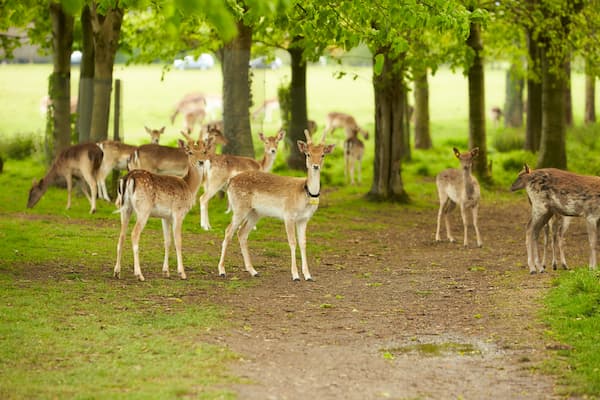
The resident herd of roughly 600 wild fallow deer is perhaps the most famous reason people visit the park. These animals are descendants of the original herd brought over from Great Britain in 1662 by the Duke of Ormond. They are widely considered some of the most iconic species of wildlife in Ireland.
- Location: The Fifteen Acres and the Old Cabra Road areas.
- Local Details: The herd is managed by the OPW to maintain a healthy population. The park is an important site for biodiversity in Dublin City. Watching them graze in the soft morning light is a highlight for many of our guests.
- Best time to visit: Early morning or late evening when the park is quietest and the light is soft.
- Insider Tip: Maintain a distance of at least 50 metres and remember the “No Feeding” rule; human food can make them extremely sick.
Best for: Nature enthusiasts and photographers looking for a quiet, immersive wildlife experience.
Dublin Zoo
Opening its gates in 1831, Dublin Zoo is one of the oldest in the world. It has evolved significantly from its early days, now focusing heavily on conservation and world-class habitats like the African Savanna and the Gorilla Rainforest.
- Location: Near the North Circular Road Gate.
- Local Details: The iconic thatched entrance is a landmark in itself, having greeted visitors for nearly two centuries.
- Best time to visit: Arrive at opening time (9:30 am) to see the animals at their most active before the midday crowds arrive.
- Insider Tip: Book your tickets online in advance to skip the queues at the gate, especially during weekends or school holidays.
Best for: Families and anyone interested in global conservation efforts and historical architecture.
Farmleigh House
Once the home of the Guinness family, Farmleigh House is now the official Irish State Guest House. The 78-acre estate feels like a world of its own, featuring manicured gardens, a working farm with Kerry cows, and a stunning conservatory.
- Location: White’s Road Entrance.
- Local Details: The estate is still used to host visiting heads of state, giving it a unique sense of contemporary political importance.
- Best time to visit: Weekends are best if you want to experience the local farmers’ market in the courtyard.
- Insider Tip: Access to the house is by guided tour only; check the official schedule on the morning of your visit as it can close for state functions.
Best for: Culture lovers and those who appreciate Edwardian elegance and local artisanal food.

Ashtown Castle & Visitor Centre
Ashtown Castle is a genuine hidden gem. For centuries, this medieval tower house was actually hidden inside the walls of a larger 18th-century mansion until it was rediscovered in 1978.
- Location: Near the Phoenix Park Visitor Centre.
- Local Details: The visitor centre adjoining the castle offers an excellent exhibition on the 3,500-year history of the park.
- Best time to visit: Mid-morning to allow time to explore both the castle and the surrounding walled gardens.
- Insider Tip: Don’t miss the Victorian Walled Kitchen Garden right next to the castle; it is a peaceful spot that showcases traditional growing methods.
Best for: History buffs who enjoy uncovering the layers of Dublin’s architectural heritage.
The Wellington Monument
Standing at 62 metres tall, the Phoenix Park monument is the largest obelisk in Europe. It was built to commemorate the victories of Arthur Wellesley, the Duke of Wellington, who was born in Dublin.
- Location: Southeast end of the park, near Parkgate Street.
- Local Details: The massive granite base features bronze plaques cast from captured cannons from the Battle of Waterloo.
- Best time to visit: Sunset offers a beautiful perspective as the light hits the granite obelisk and the city begins to glow.
- Insider Tip: Walk around the entire base to see all four plaques; they depict the Duke’s military and political career in intricate detail.
Best for: Those who enjoy grand architecture and panoramic views of the surrounding parkland.
The Magazine Fort
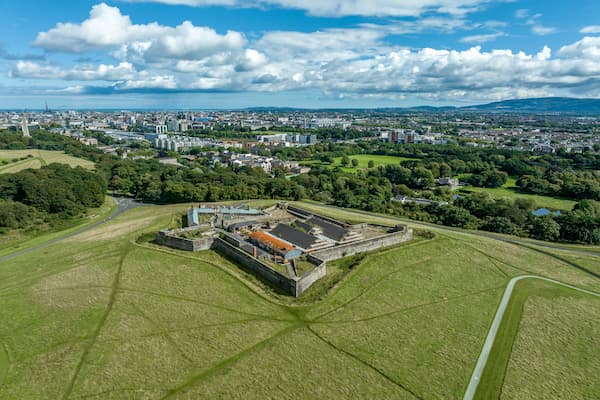
The Magazine Fort at Phoenix Park sits on a site with a layered history, once occupied by the “Phoenix Lodge” before being converted into a gunpowder store in 1734. Given its proximity to ancient burial mounds and its role in the Easter Rising, it is often mentioned alongside the most haunted places in Ireland.
- Location: St. Thomas Hill, near the Islandbridge Gate.
- Local Details: The fort was the site of the first action of the 1916 Easter Rising when rebels attempted to seize the munitions stored inside.
- Best time to visit: Afternoon, when you can combine the visit with a walk along the nearby river Liffey.
- Insider Tip: While the interior is undergoing restoration, the walk around the exterior bastions provides some of the best elevated views in the park.
Best for: Explorers interested in military history and “off the beaten track” landmarks.
Victorian People’s Flower Gardens
If you are looking for things to do in Phoenix Park that are purely relaxing, the Flower Gardens are a must. These 22 acres of ornamental lakes and Victorian bedding schemes were originally laid out in the 1840s.
- Location: Near the Parkgate Street Entrance.
- Local Details: The gardens feature a large ornamental lake and several statues, including one of Lord Carlisle.
- Best time to visit: Spring and Summer when the Victorian bedding displays are in full, vibrant bloom.
- Insider Tip: Grab a tea or coffee from the nearby Victorian Tea Rooms and find a bench overlooking the lake for a bit of quiet reflection.
Best for: Relaxed walkers and anyone seeking a quiet, scenic spot for reflection.
The Historic Gas Lamps
One of the park’s most charming secrets is its network of gas lamps, which provide a window into Dublin’s “old world” heritage.
- Location: Dotted along the main avenues and historical thoroughfares.
- Local Details: There are over 1,500 gas lamps in the park, many of which date back as far as 1825.
- Best time to visit: Twilight, as the lamps begin to glow against the darkening park landscape.
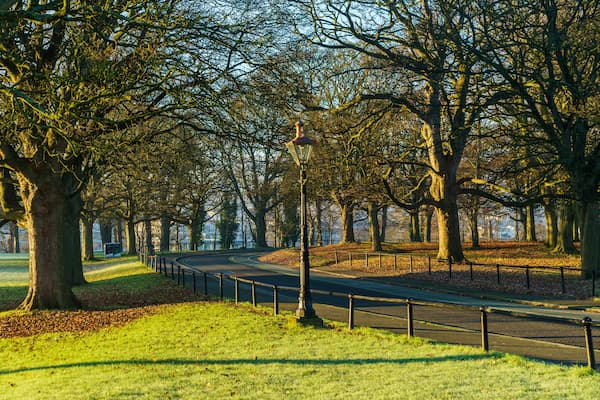
- Insider Tip: For generations, these were lit by hand every evening by a dedicated lamplighter who traveled on a bicycle. While now automated, the lamps are still maintained in their original Victorian style.
Best for: Romantics and those who enjoy seeing living history preserved in a modern city.
Tips for Visiting Phoenix Park
Because of its scale, a little planning goes a long way when figuring out things to do in Phoenix Park. Knowing the best time of year to visit Ireland will help you prepare for the park’s changing landscape, from the lush greens of summer to the misty mornings of winter. Here are some more useful things to consider when visiting Phoenix Park.
Getting There & Around
Navigating a park of this size is straightforward if you know your transport options and preferred ways to explore.
- Public Transport: Take the Luas (Red Line) to Heuston Station, which is a five-minute walk from the main gate. From the city centre, a local bus runs directly to the Visitor Centre.
- On Two Wheels: Renting a bike at the main gate is our top recommendation. With over 14 kilometres of cycle paths, it’s the most relaxed way to cover ground.
- Accessibility: Most main thoroughfares are paved and flat. The Visitor Centre and Farmleigh House are fully equipped for wheelchairs and strollers.
Local Etiquette & Safety
- Deer Safety: These are wild animals. Always stay 50 metres away and never attempt to feed them, as human food can cause them serious harm.
- The “Leave No Trace” Rule: As a protected historic site, please take all litter home with you to help us support sustainable local tourism.
Food & Refreshments
- The Victorian Tea Rooms: Perfect for a traditional treat in a historic setting near the zoo.
- Phoenix Café: Located at the Visitor Centre, this is a local favourite for fresh, organic lunches and home-baked cakes.
Is Phoenix Park worth the visit?
Absolutely. It is rare to find a place where you can touch 15th-century stone, see wild deer, and stand at the foot of Europe’s largest obelisk all in one afternoon. Whether you want to dive deep into history or just enjoy the quiet of the flower gardens, this park offers a genuine slice of Dublin atmosphere that has remained remarkably unchanged over the centuries.
If you are planning your trip and want to experience the real Ireland beyond the city gates, we’d love to help. Contact Irish Experience Tours to learn more about our small-group adventures.
FAQs
How long should I spend at Phoenix Park?
We recommend at least three to four hours if you want to see the main landmarks and the deer. If you plan on visiting the Zoo or taking a tour of Farmleigh House, you could easily spend a full day here.
Can you drive through Phoenix Park?
Yes, the main thoroughfare, Chesterfield Avenue, is open to cars. There are several free car parks located throughout the park, including near the Papal Cross and the Visitor Centre, though they can fill up quickly on sunny weekends.
Is there a cost to enter Phoenix Park?
Entry to the park itself, the Flower Gardens, and the Visitor Centre is completely free. Some specific attractions, like Dublin Zoo, require a paid ticket, while others like Ashtown Castle offer free guided tours on a first-come, first-served basis.
What is the best way to see the whole of Phoenix Park?
Since the park is so vast, cycling is the most efficient way to see all the things to do in Phoenix Park. Alternatively, the “hop-on, hop-off” tour buses stop at the main gates and several points along Chesterfield Avenue.
Got more questions about visiting Ireland? Our main FAQs page for answers, tips, and advice about visiting Ireland.